Core Competencies
Unlock Growth
Emotional Mastery
Emotional Mastery
Emotional Mastery
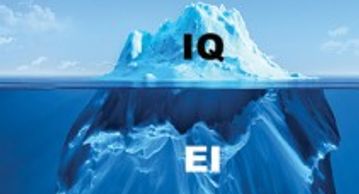
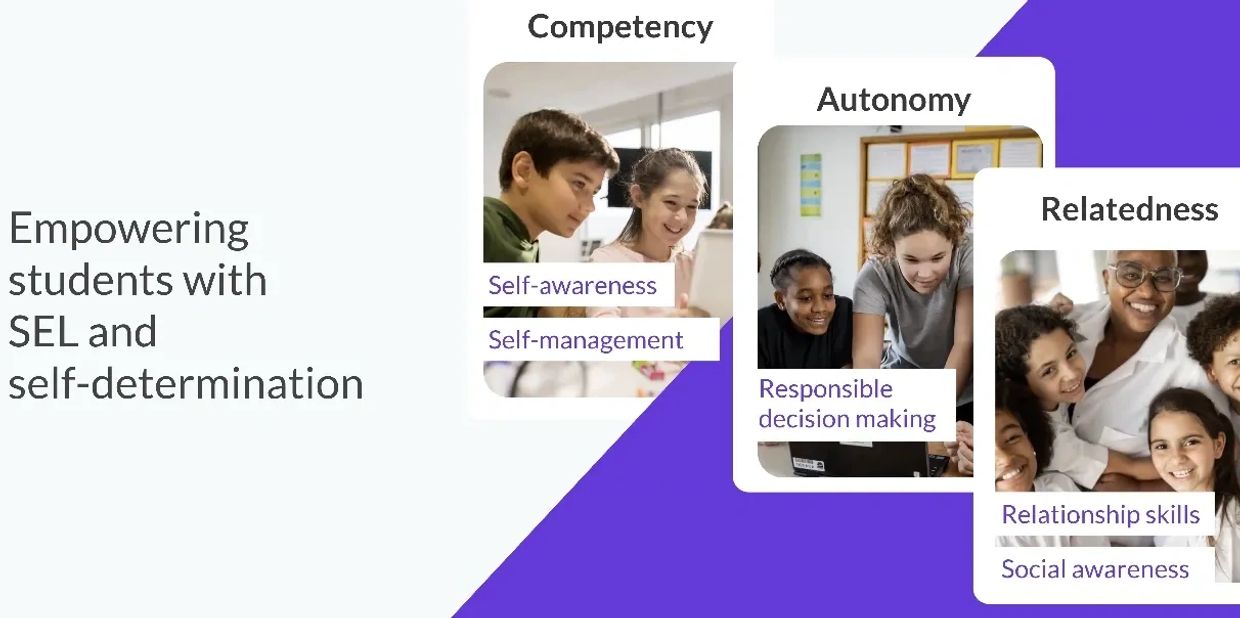
- Social Emotional Learning (SEL) can help you better understand, identify and control your emotions; it can help develop empathy, increase self-control and manage stress. It also helps build better relationships and interpersonal skills that will serve you in school and beyond, helping to succeed in life.
Resilience Skills
Emotional Mastery
Emotional Mastery

- Our innovative curriculum is designed to provide you with the skills and knowledge you need to succeed in your field. We stay up-to-date with the latest industry trends and technologies to ensure that you're always learning the most relevant information.
Value of SEL
Emotional Mastery
Value of SEL
Economic Value of SEL
- $11-1 ROI
- The average return on investment for six evidence-based programs is 11 to 1, meaning for every dollar invested there is an $11 return. Read the 2015 review from Columbia University.
Career Boost
Join Our Community
Value of SEL
- The Top 10 skills identified by the World Economic Forum all involve social and emotional competence. And research shows that social and emotional skills and attitudes also contribute to the other skills such as critical thinking.
Success Proven
Join Our Community
Join Our Community
- More than two decades of research demonstrates that education promoting social and emotional learning (SEL) gets results.
- The findings come from multiple fields and sources, including student achievement, neuroscience, health, employment, psychology, classroom management, learning theory, economics, and the prevention of youth problem behaviors.
- Learn More
Join Our Community
Join Our Community
Join Our Community
- We're more than just an online platform – we're a community. We offer a variety of opportunities to get involved, including interactive activities, volunteer projects, and networking events.
Build Resilience Today

- Comprehensive Coverage of CASEL Competencies:
- RISE offers a wide range of practices and activities that align with all five core competencies of CASEL: self-awareness, social awareness, self-management, relationship skills, and responsible decision-making. This comprehensive coverage ensures that students have opportunities to develop various aspects of their social-emotional skills.
- Practical and Applicable Tools for Students:
- RISE provides practical tools and strategies that students can apply directly to their lives. The practices outlined in RISE, such as positive self-talk, resilience through hardship, and decision-making skills, are designed to be actionable and relevant to students' daily experiences, making the learning process more meaningful and impactful.
Enhance Social Skills

- The CASEL competencies for SEL umbrella the “How to” strategies and tools of the R.I.S.E (Resilience. Inspire. Self-Empower) e book and online course. The R.I.S.E course offers practices, activities, assessments, and practical tools for students to understand and apply these essential skills to their lives. The 22 Practices in R.I.S.E correlate with the CASEL 5 Competency Clusters and also meet the 4 strategies to promote SEL with professional development for staff, general teaching practices, and guidance for organizational structures within a school to support students’ social and emotional development as a schoolwide initiative.
- Integration with Professional Development and Organizational Support:
- RISE goes beyond student-focused activities by also addressing the needs of educators, administrators, and the school community. The program includes guidance for general teaching practices, professional development for staff, and recommendations for creating supportive organizational structures that promote social and emotional development school wide. This integration ensures a holistic approach to SEL within the educational environment.

Impact of SEL Skills and Resources
Youth
R.I.S.E's signature youth education program, is a social emotional learning curriculum which gives students the skills to navigate life and prevent bullying and substance abuse.
According to CASEL’s research, students who engaged in SEL interventions academically performed 11 percentile points above those who did not. Additionally, students demonstrated improved classroom behavior, an increased ability to manage stress and depression, and better attitudes about themselves, others, and school.
Global Statistics
20% of US students ages 12-18 report being bullied.
1 in 3 students said they had been the victim of cyberbullying, and 1 in 5 reported skipping school due to cyberbullying or violence as expressed in a study of students across 30 countries.
2 in 3 students said they are worried about violence in and around schools in a poll of 1 million young people from 160 countries conducted by UNICEF.
More than 1/3 of students have experienced bullying. More than 1/3 have been involved in physical fights.
Statistics from National Crime Victimization Survey and UNICEF
What Young People Learn in R.I.S.E
The National Association of Colleges and Employers (NACE) recently published the results of a survey of top employers outlining the skills desired in new college graduates. Likewise, the World Economic Forum identified the top skills needed for the jobs of the future. The most necessary and desired skills are not related to any STEM field or technical proficiency. Instead, they are competencies directly related to the social and emotional skills built by R.I.S.E.
- Problem-solving and decision-making
- Critical thinking and creativity
- Ability to work in a team environment
- Communications skills with people inside and outside an organization
- Leadership and the ability to effectively motivate others
- Strong work ethic and resilience.
Youth Thrive with SEL
How school climate affects young people:
- Students who participate in SEL showed improved classroom behavior, reduced rates of stress and depression, and improved attitudes towards their school, their peers, and their own self-image. SEL programs like R.I.S.E increased students’ academic performance by up to 11 percent.
- Effects of SEL programs like R.I.S.E are long lasting. Kindergarteners who participate in SEL programs and have stronger SEL skills are more likely to graduate high school, go to college/university, and obtain stable employment as young adults.
- Including SEL and character development is critical for educating the whole child. This approach can help bridge the achievement gap between students from high- and low-income settings and improve economic mobility for disadvantaged students.
Statistics from Child Development, American Journal of Public Health, and Opportunity, Responsibility, and Security